This week, we attended the Inbound Marketing Summit (#IMS11) in Boston. CMO Greg Head, and I met with many marketing leaders who shared best practices, advice from their own experiences in nurturing prospects and serving customers.
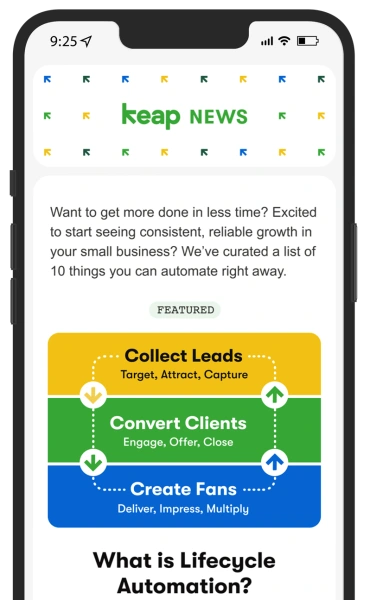
IMS attendees learned about Perfect Customer Lifecycle from Greg Head. He explained the seven different stages of an end-to-end customer lifecycle that business owners need to consider when they are constructing their marketing automation strategy. You can access his slides and download the free worksheet from us.
After attending many of the great sessions led by experts, we discovered five inbound marketing trends that are occurring across today’s businesses.
1. The Digital Marketing Revolution Has Arrived
Business owners are increasing their investments into digital marketing. Everyone who attended IMS had their interest in maximizing their marketing efforts through digital media. Today’s business owners are adopting modern marketing activities and becoming native in search engine optimization, social marketing, mobile apps and advertising, video, marketing automation, content marketing and even social CRM. Even traditional businesses are making the switch – we talked to people ranging from medical transcription services to industrial crane operators all the way to even oil tycoons. Yeah, digital marketing has arrived.
2. Inbound Marketing Beats the ‘Old’ Way of Advertising
I would bet a $100 AdWords credit that no IMS attendee was advertising on the back of a yellow pages. I think most people would agree that the days of widespread mass-blast-marketing are numbered. Inbound marketing is all about providing content to people who are actively seeking it. In discussions with many business owners, they told us they want to do it right. They want to be ahead of the digital marketing revolution and inbound marketing is a big step to get there. Leveraging a powerful CRM solution helps to maximize the marketing performance so no leads fall through the cracks.
3. Creative Marketing Outperforms Loud Marketing
Being unique, daring and even a bit uncanny, marketers are discovering more and more about their customer segments. Through split-testing, website conversion optimization and end-to-end campaign analytics, marketers can take the guesswork out of marketing and rely on the science to support their claims. Applying the scientific method (instead of the pray ‘n spray method), it instills more confidence in marketers. As a result, CEOs are willing to increase the budget provided they see its efficiencies.
4. Marketing Funnels Must Adapt to Prospect Needs
Another theme we heard in every presentation is the need for marketers to stay dialed-in to the specific needs and interests of their prospects and customers. This is crucial if you want to maintain relevance and preserve the trust of your prospects. Gone are the days of hitting your list again and again with irrelevant offers. Segmentation is key!
5. Personalization Goes Beyond Email
Personalization goes beyond merging people’s names into email – it’s about personalizing the entire experience so people don’t even think there’s a “system” behind their messages. Too many times, we’ve seen people craft cookie-cutter autoresponder sequences that apply to everyone. Times have changed, folks. People’s needs have evolved. Consumers no longer rely on vendors solely for information and it’s time vendors adapt to the specific interests of their prospects, so they can turn them into happy customers.
Greg Head sat down with me and briefly talked about how inbound marketing and marketing closely relate together. One specific ingredient fuels the two – it’s content. Watch the video below:
Watch on YouTube: Content Fuels Inbound Marketing
Don’t forget to access the slides and download the free worksheet to learn more about the Perfect Customer Lifecycle.
Posted In: Small Business